- Home
- Insights
- Sustainability
- Eco-Friendly Food Packaging: What You Need to Know
Eco-Friendly Food Packaging: What You Need to Know
Customers notice packaging, and more of them expect restaurants and caterers to make responsible choices. But “eco-friendly” covers several very different ideas — compostable, recyclable, made from renewable fiber, or simply using less material. Knowing the difference helps you make claims you can stand behind and choose packaging that still performs.
Know the terms
- Compostable materials break down into organic matter in a composting environment. Many need a commercial composting facility, not a backyard bin.
- Recyclable materials can be collected and reprocessed — if your local program accepts them and they are reasonably clean.
- Renewable fiber packaging is made from plant sources such as sugarcane fiber (bagasse) or paper.
- Source reduction means using less packaging in the first place: right-sized containers, fewer extras in the bag.
Common eco-friendly materials
Bagasse
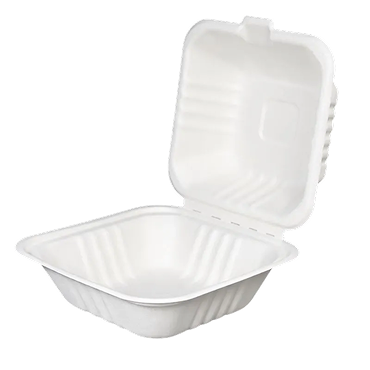
Bagasse is the fiber left over after sugarcane is pressed. Molded into hinged takeout containers, it is sturdy, handles hot and greasy food well and is compostable in commercial facilities.
Kraft paper
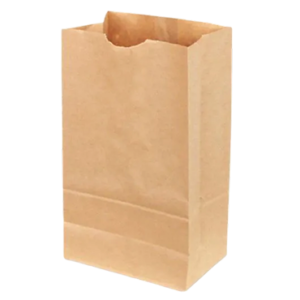
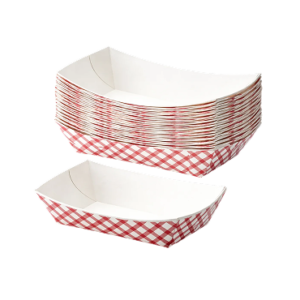
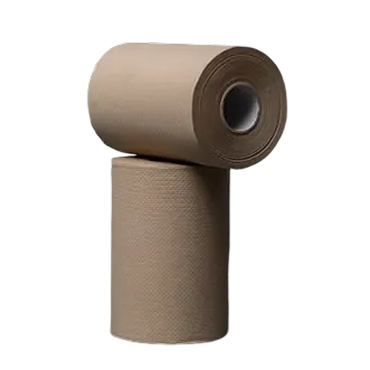
Unbleached kraft paper bags, kraft roll towels and paper boat trays come from renewable fiber and are widely recyclable when clean.
Aluminum
Aluminum foil pans, lids and sheets are highly recyclable and can be reheated in the oven, which often saves a second container.
PET plastic
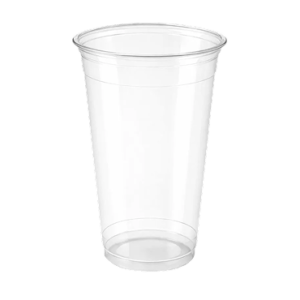
Clear PET cups are labeled with resin code 1, the most widely accepted plastic in curbside recycling programs. Check with your local program for what it accepts.
Balance performance and claims
The greenest container is the one that does its job: a leaking or soggy box creates waste and unhappy customers. Test new materials with your actual menu — hot, saucy and fried items in particular — before switching your whole line. And keep marketing claims specific: say “compostable in commercial facilities” rather than a vague “eco” label.
Easy first steps
- Switch high-volume takeout boxes to bagasse where your menu allows.
- Use kraft bags instead of plastic carryout bags.
- Right-size containers and portion cups to cut excess packaging.
- Ask customers whether they want napkins and cutlery with delivery orders.
AR Unlimited Supply stocks the 2026 eco-friendly line alongside conventional packaging, so you can transition gradually and keep one supplier. Request a quote for samples or pricing, or see the full catalog.